
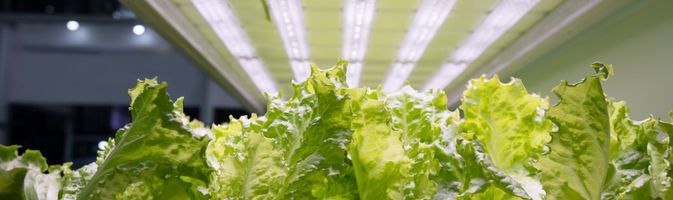
Why LED Grow Lights
New styles, bright colors, creative designs. Discover our new collection of styles and accessories.
Why Would LED Grow Lights Work Best For Your Garden?
By Indoor Gardens
When you're setting up an indoor garden in your home, nursery or greenhouse, it's important to let the sunshine in. However, natural sunlight isn't really an option — especially for year-round projects. Luckily, LED grow lights offer a cost-effective and efficient way to ignite photosynthesis and growth for your plants, utilizing light at various points in the color spectrum. Whether you're a hobbyist or a commercial grower, this article will explain how these helpful tools work and how you can select the best LED grow lights for your garden.
What Are LED Grow Lights?
LED grow lights are light-emitting diodes used for indoor gardening. Joining fluorescent and HID bulbs, LED grow lights provide growers with a reliable option for illuminating their gardens. Some even consider them the best all-around choice since they have superior coverage and faster results than other types of bulbs. In many instances, LED grow lights are more effective than the often-fickle sun itself, and help yield better tasting produce and lush greens. The ability to use them year-round is certainly an advantage, too. While buying LED grow lights is an investment, most find that the investment pays off.
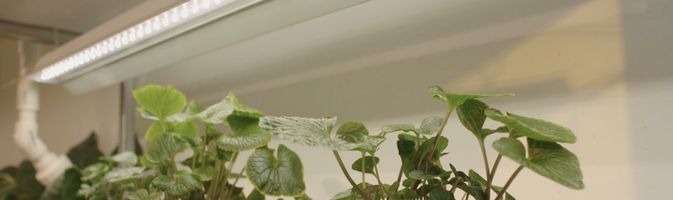
The Benefits of Using LED Grow Lights
You know that your indoor garden needs light, and you know there are a lot of options on the market. So, why should you go with LED grow lights over another type, like fluorescent or HID? While there are advantages to every kind of bulb, there's a good chance that LEDs will work best for your application.
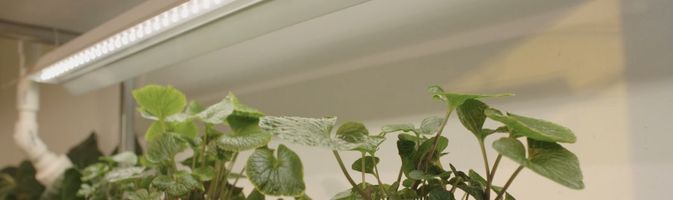
How to Choose the Best LED Grow Lights for Your Garden
What to Consider when Buying LED Grow Lights
This is not an exhaustive list, as there will be plenty of other points you need to consider when deciding which LED grow lights to buy. However, the following are pertinent to most growers:
-Budget
-Space
-Style of lighting for your plants
-Additional products you might need