
Soil vs. Hydroponic Growing
Soil vs. Hydroponics: Which Growing Method Is Right for You?
When people first explore indoor gardening, one of the most common questions is whether they should grow in soil or hydroponics. Both methods are proven, both can produce healthy, high-quality plants and both are used successfully by beginners and professionals alike. The difference lies in how nutrients are delivered, how much control the grower wants and how hands-on the process feels.
At Indoor Gardens, we work with growers at every level—from first-time gardeners to experienced indoor cultivators—and we teach both methods because neither is inherently “better.” The right choice depends on your goals, your space and how involved you want to be in managing your garden.
Growing in Soil: Familiar and Forgiving
For most people, soil is the most familiar starting point. It reflects how plants grow in nature and provides a stable environment that holds water, nutrients and beneficial microbes. High-quality potting soils and soilless blends, including peat- or coco-based mixes, are designed to support root health while also buffering against small mistakes.
This buffering effect is one of soil’s biggest advantages. Nutrients and moisture are stored within the medium and released gradually, which gives plants time to adjust if something isn’t perfect. For beginners, this means small watering or feeding mistakes are less likely to cause immediate problems.
Soil growing also tends to involve a simpler daily routine. Most growers follow a wet-dry cycle, watering thoroughly and then allowing the soil to partially dry before watering again. This cycle encourages strong root development and helps maintain proper oxygen levels around the roots.
Another key benefit of soil is the biological ecosystem it supports. Beneficial microbes break down organic matter and convert it into nutrients plants can absorb. Many growers enhance this process with compost, dry amendments, or microbial inoculants, creating a living system that contributes to plant health over time.
Because of its stability and familiarity, soil is often the preferred choice for growers who want a straightforward and approachable indoor gardening experience.
Hydroponics: Precision and Performance
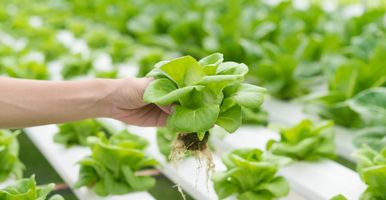
Hydroponics takes a different approach by removing soil entirely and delivering nutrients directly through water. Plants are grown with their roots suspended in or regularly exposed to a nutrient solution, giving them immediate access to everything they need.
Because plants don’t have to search for nutrients, they can focus their energy on growth. This often leads to faster development and efficient use of resources when systems are managed properly.
Hydroponic setups range from simple systems, like deep water culture buckets, to advanced recirculating systems that automate feeding and oxygenation. While hydroponics can feel more technical at first, many growers appreciate the level of precision it offers.
Instead of relying on the soil to regulate nutrients, hydroponic growers measure and adjust nutrient levels directly. Tools like pH and EC meters allow growers to monitor conditions and maintain consistency. This level of control makes it possible to tailor feeding to specific growth stages and plant needs.
However, because there is no soil buffer, changes affect plants more quickly. This makes consistency important, but it also allows growers to see fast results when conditions are optimized.
Nutrient Delivery: Buffered vs. Direct
One of the biggest differences between soil and hydroponics is how nutrients are delivered and managed.
In soil, nutrients may already be present in the medium or added gradually over time. The soil acts as a reservoir, holding nutrients and releasing them slowly. This creates a forgiving system that doesn’t require constant adjustment.
In hydroponics, nutrients exist only in the water. Everything the plant needs must be supplied in the correct balance and maintained consistently. While this requires more active management, it also allows for precise control and efficient nutrient use.
Both approaches are effective. Soil offers stability and simplicity, while hydroponics offers accuracy and responsiveness.
Scaling Your Indoor Garden
As growers gain experience, many expand their indoor gardens. Soil systems scale in a simple and predictable way. Adding more plants typically means adding more containers and increasing watering time.
Hydroponic systems require more planning when expanding, but they can become highly efficient. Larger systems allow multiple plants to share a single reservoir, reducing repetitive tasks once everything is balanced.
Both methods can grow with you as your skills and confidence increase.
Choosing the Right Method for You
Soil is often recommended for beginners because it’s intuitive and forgiving. It allows growers to learn plant care without needing to monitor every variable closely.
Hydroponics is ideal for growers who enjoy precision and want greater control over plant performance. It can be highly efficient and rewarding once the system is understood.
Many experienced indoor gardeners eventually use both methods, selecting the best option based on their plants, space, and goals.
Whether you start with a pot of soil or a hydroponic reservoir, learning how plants grow—and how your system supports them—will build confidence and improve your results over time.
Indoor gardening is a skill that develops with experience. By understanding both soil and hydroponics, growers gain the flexibility to adapt, experiment, and create a garden that works for them.